Besten Dank. Die Flohsamenschalen sind wunderbar und ich werde demnächst direkt die 3 kg bestellen. Viele Grüße.
Bin sehr zufrieden mit den Flohsamenschalen. Mein Arzt riet mir diese zu verwenden und ich nehme sie nun jeden Abend mit einem Glas Wasser. Sie tun mir gut. Besten Dank für den guten Service.
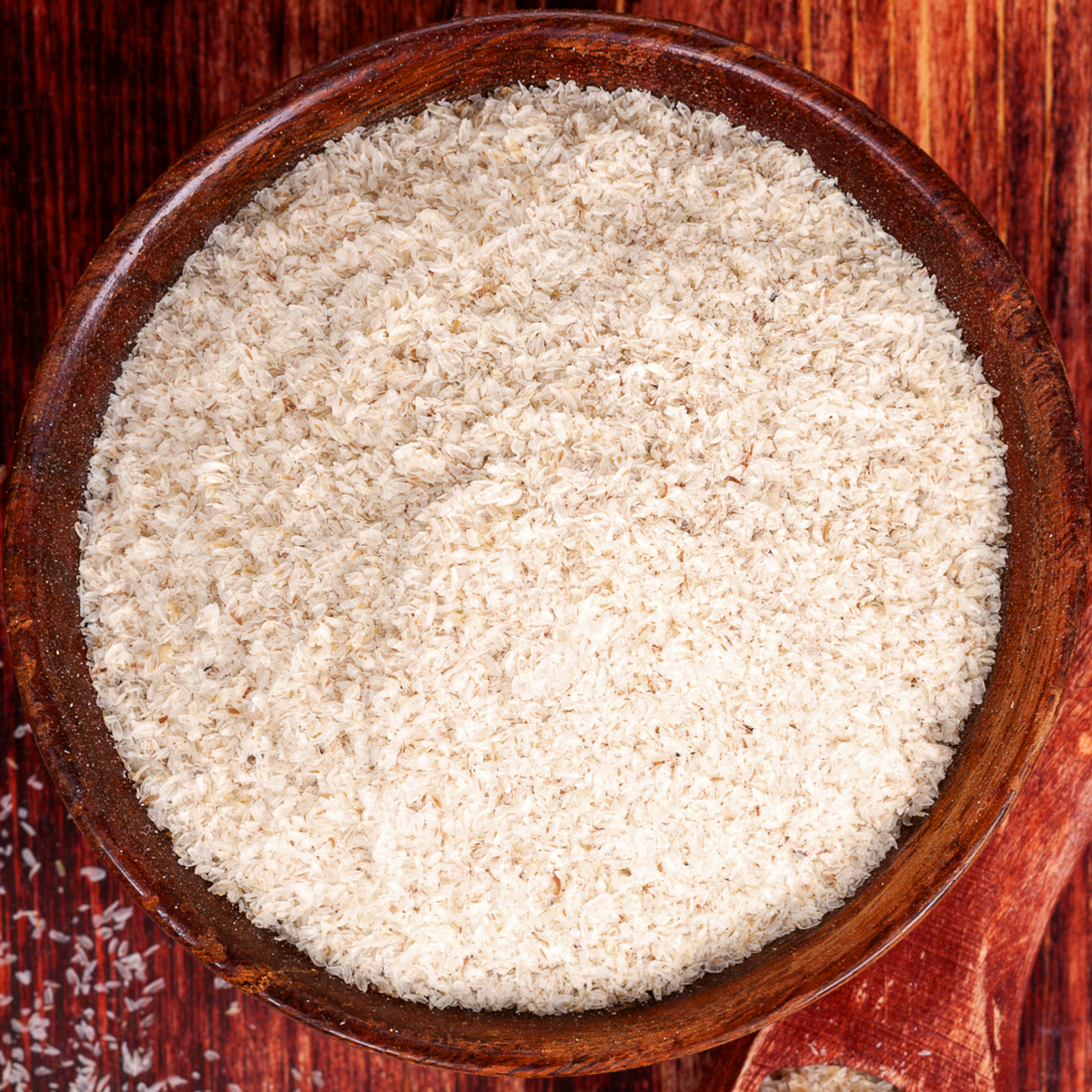
Ich bin von dem Service begeistert. Die Flohsamenschalen kamen schnell an, waren gut verpackt. Es macht alles rundum einen guten Eindruck. Das Produkt ist schön hell und hat keine Fremdstoffe drin. Deswegen bestelle ich es bestimmt nochmal.
Sybille
writes
07.05.2025
Schöne helle Flohsamenschalen. Die waren bisher immer super, deshalb bestelle ich die weiter. Versand erfolgt schnell und die Pakete sind mit Bedacht gepackt. Danke dafür.
Ursula B.
writes
20.03.2025
Guten Tag, ich freue mich über die gute Qualität der Flohsamenschalen. Weitere Produkte haben mich auch überzeugt, so werde ich hier weiterhin gerne bestellen.
Sehr gute ökologische Verpackung und gute Produktqualität.
Danke für die schnelle Lieferung. Mein Arzt hat mir mehr Ballaststoffe empfohlen. Ich hoffe es hilft.
Seit ich Flohsamenschalen nehme, bin ich meine Verdauungsbeschwerden los. Hier habe ich eine schöne Qualität gefunden und bestelle daher direkt mehr, sie sind ja lange haltbar. Besten Dank.
Vielen Dank für die Zusendung der wunderbaren Flohsamenschalen. Diese sind für mich unverzichtbar geworden, da sie mir ungemein helfen. Nehme ich jeden Tag und ich bestelle immer direkt die 3 kg. Grüße
Ich bestelle nun schon zum 3. Mal, da die Flohsamenschalen hier deutlich heller sind, als man es sonst kennt. Das gefällt mir sehr gut.
Heidrun
writes
30.10.2024
Im fortgeschrittenen Alter, helfen die Flohsamenschalen, meiner Verdauung wieder auf die Sprünge.
Einfach super zum backen geeignet.
Ich habe gerade wieder eine Großbestellung (3kg) der Flohsamen Bio abgeschickt. Da habe ich erst mal eine Zeit auf Vorrat und sie sind einfach die besten für mich.
Hier bin ich sicher, immer gute Qualität zu bekommen. Die Bio Flohsamenschalen sind wirklich schön und daher gehören Sie immer mit auf meine Bestellliste. Ich komme damit gut zurecht.
Mohamed
writes
14.08.2024
Bisher immer sehr gut die Bio Flohsamenschalen und ich nehme sie schon lange. Für meine Zwecke einwandfrei. Danke liebes Aspermühle-Team für den guten Service.
Diese Bio Flohsamenschalen von der aspermühle nehme ich schon seit vielen Monaten abends zu mir. Sie tun Ihre Wirkung und haben eine schöne Qualität. Auch das Päckchen ist immer schnell da.
Matthias
writes
08.07.2024
Ich habe selten so helle saubere Flohsamenschalen gesehen.
Ganz feine Flohsamenschalen. Gut zum backen geeignet.
Susanne
writes
30.05.2024
Wie immer eine überzeugende Qualität. Grüße aus der Schweiz.
Mariella
writes
14.05.2024
Wesentlich bessere Qualität als man sie aus den Drogeriemärkten gewöhnt ist. Auch preislich günstiger.
Wie immer tolle Qualität und danke für den netten Magnet.
Ich habe zum ersten Mal Flohsamenschalen probiert, weil mein Enterologe mir empfohlen hat, diese zu kaufen und sie tun mir tatsächlich ganz gut.
Christine
writes
19.03.2024
Sehr schöne weiße Flohsamenschalen, ohne Verunreinigungen. Fürs Müsli wirklich perfekt.
Daniela
writes
25.02.2024
Ich gebe die Flohsamenschalen zu meinem Brotteig hinzu und erhöhe damit die Ballaststoffmenge. Es funktioniert prima.
Bernadette
writes
30.01.2024
Sehr umweltfreundlich verpackte Flohsamenschalen mit schöner Aufmachung.
Lupinchen
writes
12.01.2024
Gestern morgen bestellt und heute schon bekommen. Das habe ich so noch nicht erlebt. Prima.
Ich habe gesundheitliche Probleme mit der Verdauung und Flohsamenschalen helfen mir zumindest ein bisschen.
Deborah
writes
22.11.2023
Sehr schöne helle Flohsamenschalen, ohne Verunreinigungen. Würde ich wieder kaufen.
Von Flohsamenschalen profitiert der ganze Körper, denn das Immunsystem sitzt im Darm.
Erstklassiges Preis-Leistungs-Verhältnis. Dankeschön. Bin sehr zufrieden.
Heribert
writes
20.06.2023
Diese Schalen sind auch im reiferen Alter sehr zu empfehlen.
Gundula
writes
09.06.2023
Die Flohsamenschalen haben ein unschlagbares Preis-Leistungs-Verhältnis.
Sehr gutes Preis-Leistungs-Verhälnis. Ich habe die 3kg Einheit gekauft. Die Lieferung erfolgt in 3x 1kg Beuteln.
Sehr ordentliche und saubere Qualität. Würde ich weiterempfehlen.
Ich habe Eure Flohsamenschalen zum wiederholten Mal gekauft und bin sehr zufrieden.
Da die Flohsamen in der Drogerie ausverkauft waren, habe ich online die von der Aspermühle gekauft. Die Qualität ist spitzte und ich werde die definitiv wieder bestellen. Vielen dank
Ich bin total froh, dass ich diesen Anbieter für Flohsamenschalen gefunden habe. Mein Produkt, was ich sonst immer im DM gekauft habe, ist jetzt schon seit einiger Zeit ausverkauft. Die Qualität der Flohsamenschalen hier ist aber um Längen besser. Deshalb werde ich in Zukunft immer hier kaufen.
Bin sehr zufrieden damit. Tolle Ballaststoffquelle für meinen Darm - tolles Produkt!
Valentina
writes
08.10.2020
Toll für Menschen die mit Reizdarm oder ähnlichem kämpfen. Ich habe zwar keinen ausgeprägten Reizdarm wie so manch anderer aber immer wieder mit Durchfall und dann wieder Verstopfung zu kämpfen. Ich kann mit den Samenschalen einfach mehr Ruhe in den Darm bekommen und bleibe auch gerne dabei. Wenn man viel unterwegs ist, ist es einfach einen Erleichterung nicht ständig eine Toillete suchen zu müssen.
Endlich klappt das Abnehmen auch bei mir. Ich quäle mich nicht mehr den ganzen Tag mit Hunger und die Verdauung kommt bei einer Diät somit auch nicht zum erliegen. Bin sehr zufrieden bislang.
Melissa
writes
29.06.2020
Absolut zu empfehlen bei Reizdarm und Reizmagen. Hab schon die halbe Apotheke aufgekauft und nichts hat so gut funktioniert wie die Flohsamenschalen. In jedem Fall sollte man aber zuerst mal bei einem Arzt vorstellig werden um abzuklären was die Ursache der Beschwerden ist. Bin sehr zufrieden!
Der Geschmack ist zum Glück total neutral. Ich bin da leider immer etwas kritisch aber nun sehr erleichtert. Wichtig ist auch genügend zur Einnahme zu trinken. Ich halte mich an die Verzehr- und Einnahmeempfehlung und habe durch das Produkt nun endlich regelmäßigen Stuhlgang, was davor immer sehr problematisch war. Bleibe dabei und fünf Sterne für Sie.
Tolle Unterstützung bei Diäten. Kein ständiges Hungergefühl. Und keine Verschmutzungen in der Ware. Habe mich aber auch deswegen für die 99% Reinheit entschieden.
Wirkt einwandfrei bei Magen-Darm Störungen. Preis für Bio vollkommen ok und Ware sehr sauber.
Ich nehm die Flohsamenschalen seit einem halben Jahr unterstützend zu meiner Diät ein. Es hilft mir nicht ständig mit einem Hungergefühl durch die Gegend zu laufen. Bislang habe ich 15 Kilo verloren. Sport und Nahrungsumstellung gehören natürlich auch zwingend mit dazu! Für mich eine sehr gute Hilfe.
Ich wollte das Produkt bereits negativ bewerten, da die Schalen einfach nicht richtig in meinem Glas Milch quellen wollten. Jetzt bin ich sehr froh, dass mich Ihre Mitarbeiterin beraten hat und mir erklärt hat, dass die Quellung in Milch nicht funktioniert. Im Wasser war das Quellvermögen nun genauso wie beschrieben und ich kann berichten, dass sich mein Magen-Darm-Trakt zunehmend reguliert bzw. beruhigt durch die Einnahme. Gerne bleibe ich beim Produkt, solange die positive Wirkung anhält.
Sehr saubere Flohsamenschalen! Es sind nicht die kleinsten Verunreinigung zu erkennen. Da macht die Einnahme doppelt Spaß. Wer Probleme mit Magen und Darm hat ist mit dem Produkt gut beraten. Gerne wieder!
Ich bin begeisterte Anwenderin der Flohsamenschalen. Es sind keine Verunreinigungen zu sehen oder zu schmecken und das Produkt dämpft angenehm meinem Hunger in der Diätphase. Empfehle ich gerne weiter.
Hallo, die Bio Flohsamenschalen verwende ich schon über einige Monate. Dadurch haben sich meine Darmprobleme schon fast komplett erledigt. Toll was so eine kleine Veränderung bewirken kann. Kann ich nur empfehlen und ich bleibe dabei. Gruß,
Ich nehme seit ca. 8 Jahren Flohsamenschalen und habe in den letzten 2 Jahren nur noch bei der Aspermühle gekauft, weil ich hier einfach immer die beste gleichbleibende Qualität bekomme. Die Schalen sind schön weiß und quellen hervorragend auf.
Ich ernähre mich zur Zeit "low carb" und verwende dafür auch die Flohsamenschalen in diversen Rezepten für Brot oder Pfannuchen etc. Das klappt super. Da ich schon Produkte von der Aspermühle kenne, habe ich die Flohsamenschalen hier bestellt. Qualität ist auch wieder sehr gut.
Hilft mir gegen mein ständiges Sodbrennen auch wenn es wohl hierfür eigentlich nicht gedacht ist.
Das einzige Produkt das mir bei meinen Reizdarmbeschwerden bis jetzt geholfen hat. Von den Ärzten wird man mit diesem Problem leider alleine gelassen.
Hendrik
writes
26.04.2019
Ich habe mit den Flohsamenschalen Ihrer Firma erfolgreich 8 Kilogramm abgenommen. Mein Vater nutzt das Produkt für seine Darmerkrankung und konnte sogar seine Medikation dank der Flohsamenschalen reduzieren.
naturwaren-niederrhein GmbH
writes
12.06.2014
Hier haben Sie die Möglichkeit eine Bewertung zu hinterlegen.